Saturday, July 25, 2015

To Spank or Not to Spank? There Was No Question

In an essay entitled “Babysitting” written her freshman year of high school, Mom outlines some of her early philosophies on child care.  After explaining the ins and outs of babysitting know-how, she shares this little gem of wisdom:


“The other night I learned...you don’t spank the ones who can talk.”


Apparently, Mom’s  parenting paradigm was in place by the time she was fifteen, laying the foundation for her future mothering practices. And, even though the degree and severity of her discipline methods were a source of regret and some embarrassment in her later years, Mom made no apologies about the fact that she spanked.  In her mind, children needed to be trained in order to keep them safe and to help them develop necessary life skills. She didn’t quote Proverbs 13 or blame her upbringing in order to justify her mindset; it just was. Spanking was a quick and effective means to an end--the end being well-behaved kids. Sure, she’d “wallop” us a few times at home (but never in public--spanking in public was tacky and uncalled for); however, the point of any spanking was to keep us from misbehaving in the future, thus warranting another “beating” as she liked to call them. Her logic was simple:  You don’t want a beating?  Don’t misbehave. And while this may sound harsh or even abusive in today’s politically correct world, Mom felt that a child without limits was by far a bigger detriment to society than a parent to who swore, screamed, or spanked from time to time.


Before I continue, I need to make one thing clear: In spite of my mother’s loose use of words like “beat,” and “wallop,” along with her threats to kick our butts up around our shoulders or to mop the floor with us, the Cluff children were sometimes spanked excessively, but we were never beaten. Hitting a child in the head or face was unacceptable as was pounding on a child with a closed fist. In Mom’s estimation both constituted abuse--the very thought of which made her shudder. I remember one time, my siblings and I watched in complete and utter disbelief as Mom literally beat the crap out of a loaf of bread that had refused to rise and came out of the oven looking more like a defiant blob of dough than the golden, fluffy loaves we were used to. In her frustration, she punched and pounded the half-baked blobby ball, all the while cursing at it for wasting her time and money. And just when we thought she had given it all she had, she threw the floury mass into the garbage can only to pull it out again, throw it on the kitchen floor, and jump on it with both feet in true WWF fashion. She was pissed!--as she liked to say.  And I was grateful.  Grateful to know what a real beating was, and even more grateful knowing that she’d never beat any of us like she did that obstinate loaf.


Mom’s definition of a kid beating included a firm grab of the shoulder or arm, followed by repeated smacks to the butt with an open hand.  If you were lucky, she would lift you off the ground in unison with each strike. Not only did this give the spankee the sensation of being airborne, it also lessened the impact for the spanker, saving her from what I now refer to as the very painful (and sometimes difficult to explain) “Spanker’s Elbow.” It was a perfectly acceptable answer to our misbehavior and was her delivery method of choice--usually only lasting as long as it took her to “beat” us down the hall and shove us into our rooms. While it may be hard to believe, these series of spanks were not nearly as scary as the scoldings that accompanied them. In her fits of rage, Mom did say some awful things and much to her chagrin, got pretty out of control.  But, she never called us stupid or said anything to insult our intelligence during a rampage, nor did she ever threaten to kill us. That too was considered abusive and uncalled for (no matter how much she may have felt justified in doing so). On occasion, when we had pushed her to her breaking point, when she’d had enough of our “crap,” Mom was known to call us “ingrates” or “little shits” as she unleashed her frustrations on us, yanking and spanking while muttering through angry clenched teeth how she was “sick and tired” of our “bullshit.” In retrospect, the cathartic release of her emotion was almost palpable with every swat she delivered and every word she uttered as we made our respective journeys down the hallway of correction.


Mom always said her goal in spanking wasn’t to beat us up (or down if you will); her goal was simply to scare us so we thought twice about our behavior, thus becoming masters of self correction.  From time to time, when she felt her “beatings” weren’t having the desired effect--or perhaps she had broken a blood vessel in her hand--she would come at us wielding a wooden spoon or sometimes a spatula.  I believe this was done in an effort to “shake things up” if you will: add the shock and awe factor that would keep us on our toes. Eventually, all she had to do was yank open the utensil drawer, forcefully stir its contents, and just like Pavlov’s dogs, we were conditioned to be on high alert, scrambling to change our behavior and cover our tails (literally) before she got to us.


Did it work? Sometimes. Did we still misbehave?  Yes. Did Mom have to keep spanking us until we could out-run her? That’s irrelevant since none of us were stupid enough to try. But by the time we were agile enough to elude her tiger-like pouncing reflexes, we knew better than to cross her, and we did our best to avoid behaviors we knew would set her off...usually.


So, what exactly warranted one of Reb’s spanking rants?”  


Defiance, talking back, name calling, fighting with siblings, breaking (ruining or spilling) something whether deliberate or accidental, and laughing too much at things she deemed inappropriate were the top causes of spanking and discipline in our home.  All offenses were handled with swift precision, Mom swooping in when her eagle-like sensors overheard or detected any form of disrespect or misbehavior.  One such memorable swooping incident occurred when Todd decided to try out some of his new junior high talk by calling me the b-word while we were arguing in the kitchen on a sunny Saturday morning. Unbeknownst to us, Mom was listening from an undisclosed location--the flowerbed just outside the front room window--but her presence was made readily known when she removed her work gloves, flew into the house, and began beating his butt down the hall in my behalf. “Don’t. (Whap) You. (Whap) Ever.  (Whap)  Let. (Whap) Me. (Whap) Hear. (Whap) You. (Whap) Call. (Whap) Your. (Whap) Sister. (Whap) That. (Whap) Again!” (Whap, whap). If memory serves, that was the last time Todd was spanked. It was also the last time he called me the b-word...Correlation or Causation? It doesn’t matter. The behavior was eliminated. Reb had made her point, her reputation as "One Tough Cluff" secured.


Mom was all about intimidation, punishment, and extinction of unwanted behaviors, but contrary to common belief, she felt consistency was overrated as it lacked the element of surprise that flying off the handle afforded her--another tool she used in conjunction with spanking to “whip us into shape.” As we grew older (and bigger) and found her physical threats less intimidating, her verbal rants eventually replaced spankings. They were every bit as scary and delivered blows that often penetrated deeper than any swat to the rear we ever experienced.  However, after considering the cumulative crapload of nonsense five kids piled onto the woman--me being one of the worst perpetrators--I would rather not dwell on the verbal take-downs we all experienced (and probably deserved) from time to time, because while she was inarguably demonstrative in her anger, Mom was every bit as effusive with her thoughtfulness and affection. 

And, every now and a...decade she could laugh at herself and her explosive temper.


Upon realizing that she had lost it, beating a half-risen loaf of bread into baker’s-rage oblivion, Mom immediately burst into a furious fit of laughter--one we weren’t sure we should join her in, but eventually, in spite of ourselves, all five of us kids laughed with her...with caution. Likewise, some eight years later, after Todd had received his last spanking for calling me the b-word, Dad helped Mom find the humor in her disciplinary tactics when he played on the fact that prior to throwing Todd in his room, she yelled, “I don’t want to see your face the rest of the night!”  So, when it was time for dinner, Dad escorted Todd down the hall and to his seat at the table--a paper grocery bag over his head, covering the face that Mom had said she didn’t want to see. Todd’s bagged face and Dad’s giggling broke Mom’s anger, and again, she laughed at herself--smiling during the blessing on the food and smirking through our dinner conversation that night. I think the rest of us smirked too.


Yes, Mom was a dynamic woman. And just as her fierce temper was sometimes diffused with her healthy sense of humor, it was equally balanced with thoughtful gestures and her empathetic heart. She usually extended an extra measure of love and affection after she had lost her temper, often apologizing for her lack of control and any hurtful words. Scott recalls hiding from her as a little boy because he knew she was coming to apologize, but he “wanted to stay mad at her longer” and knew he couldn’t once she had said she was sorry. Why? Because Mom’s apologies, just like her rants, were heartfelt and sincere.  If she took the time to say she was sorry, she meant it. And we recognized it--even as children. We also recognized that couched within her apologies were messages that we needed to change how we acted because she never made excuses or allowances for our poor behavior. She "loved us too much to ever do that."

The bottom line is this: On a good day in the Cluff house, there was more hugging than spanking. More laughter than yelling. More complimenting than name calling. And, more than swearing there was...well, I’d be lying if I didn’t admit there was a lot of swearing in our home, but there was definitely more good than bad--and Mom was at its center. In her words, she and Dad “must have done something right, because all of you kids turned out so great.” And as far as I know, each of us kids has managed to follow her admonitions to “be better and do better” in regard to disciplining our own children. I suppose the true test will be to see what comes down the grandchildren pike, and more importantly, whether or not our children improve on our parenting imperfections that we, like Mom, readily admit we have.


We love you, Mom. Temper and all.  We love you. Thank you for teaching us to behave.

With love,


Your Little Ingrates


Reb’s Tolerance Guide


mild swearing = damn, hell, shit, piss (remember, she grew up with religion … and farming)


f-word = fart (use of the real f-word, along with the word “suck,” was not even a consideration)


off-limits topics = sex and potty talk (I got around this one by marrying a plumber)


BIG No-Nos that might warrant a swat:
giggling during prayer or flag ceremony, imitating/talking about bodily functions, making fun of the poor, elderly, or disabled, lying to her face, doing a half-assed job, wasting money on things you don’t need, ruining something of worth, and making excuses.


Annoyance No-Nos that did not go unchecked:
sitting atop a made bed, leaving wet towels on the floor, taking more food than you could eat, shoving newly ironed clothes in a drawer, leaving shoes where others might trip on them, forgetting to write thank you notes, clean your room, or brush your teeth, wasting time watching TV, and eating the last cookie.


Complaining was okay.  Pouting was not.
Smiling about accomplishments was okay. Bragging was not.
When hurt, crying was okay. Screeching "like an idiot" was not.
Recounting spiritual experiences was okay. Preaching was not.
Standing up for yourself was okay. Talking back to authority was not.

I can't help but imagine how different our country would be if more parents had my mother’s expectations...



https://www.pinterest.com/pin/AVR2fXzDYcp8dHukBLmVa-Xfo7LrXDhJSrxFAd074n9e2Saap9EuWQRpv0Nbx1VFeMiNFNZ1Ga4wqF2jCjwzwPM/

Wednesday, July 1, 2015

On Crushes and Dying Naked

Warning:  This entry is not for the faint in heart.  Family members (especially the first responders), please read with caution. This is a topic I have wrestled with for almost fifteen years now, and I hope my words will bring a measure of comfort.  But if you’re not ready, I understand.  That said, you may want to grab some Kleenex. Oh, and my apologies to Orvid Balls. While you were Mom's first BF, I just couldn't figure a way to work your story in to this post. Thank you for understanding...


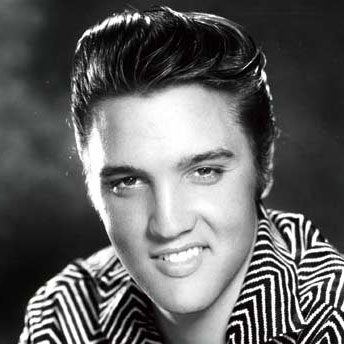
Mom had three crushes in her lifetime:  Elvis Presley, Alan Jackson, and my dad. The first needs little explanation as I’m sure every girl in America who graduated in 1957 shared her sentiments. No, she wasn’t one of those screaming-like-a-lunatic fans featured in old video footage at one of his concerts (even as a teenager she thought their antics were “a bit much”--especially the ones who fainted or were nervy enough to throw their underwear on stage). According to Mom, “That was just plain ridiculous” and she "wasn't about to swoon over him like an idiot." But she did love his music, and whenever she had a chance to buy one of his albums or watch a TV performance, she took it. News of Elvis’s death rattled her. On August 18, 1977, just two days after his sudden and unexpected passing, Mom watched the live funeral coverage, commenting on everything from the stream of white Cadillacs to the number of roses displayed in his honor. During the services she complained about the gospel music she didn’t know (or like) very well but sang along to “How Great Thou Art,” all the while ironing clothes and lamenting the fact that her teen idol had died alone, naked, in the bathroom--an eerie foreshadowing of events to come.


It took Mom nearly a decade to get over Elvis, and by the early nineties, she had moved on to the sounds (and looks) of country music’s newcomer: Alan Jackson. Now in her fifties and still happily married to Dad, Mom made little effort to hide what would turn out to be a two-and-a-half-decade-long lust affair with the popular singer/songwriter. Just like a teenager, she had a poster of AJ hanging in the office downstairs, prompting one of her young granddaughters to refer to him as “Grandma’s boyfriend.” This elicited so much laughter from Dad that whenever the opportunity arose, he would place Mikele in front of the poster and ask “Who is that guy?” just so he could laugh all over again.  We knew Mom’s crush was serious when years after Dad’s passing she went so far as to attend an Alan Jackson concert--buying and securing tickets on her own, figuring out transportation and parking, and convincing a friend from work to attend with her--something she never did for Elvis.


In spite of Mom’s two crushes and her occasional mention of Mark Harmon and Dieter F. Uchtdorf--two men whose good looks were enhanced by crooked smiles and military uniforms--she loved Dad more than words could ever express. He really was her “one and only.”   When recalling the first time she saw him walk across the commons area of the Student Union Building at Utah State, Mom would stop short of claiming that it was love at first sight, but the satisfied smirk on her face indicated that it was the next closest thing. They officially met the summer before their sophomore year of college and were married a year later in the fall of 1959.


From the beginning, they complemented one another’s personalities. Dad was the comedian, cracking jokes, telling stories, and using self-deprecating humor to make others laugh.  Mom was the serious one, straight-laced and driven to accomplish the goals of their time: home ownership, a large family, church affiliation, higher education--all elements of the “perfect life in suburbia.”  And while she too had a quick wit and a healthy sense of humor, Mom could hold a straight face and was more about getting things done than she was about getting laughs.  She was the Bert to his Ernie. The Tim Conway to his Harvey Korman. If Dad was funny, Mom’s rolling eyes, shaking head, and failed attempts to stifle her laughter only made him funnier.


They were a balanced act, a team--a team whose championship performance was cut short by a devastating and very unexpected lunch-time discovery: Dad. Just out of the shower. Lying on the bathroom floor. Naked. And alone.


At first Mom thought Dad was playing a joke on her.  Surely, any moment now, he would open his eyes, look at her, and say “Gotcha!”  But the punchline never came. She had lost her one and only--never to laugh together again.


That is until…


Fourteen years after Dad’s death, I confided in Mom how upsetting it was to me that Dad had died “in all his glory.” Even as a grown woman, it was embarrassing to me--so vulnerable, so undignified--not the way I wanted to imagine my father in his last moments on earth.  


Then, I had a paradigm shift as a friend of ours was relating his own near-death experience. He shared the one funny thought that kept coming to his mind as he was having a stroke in an out-of-state hotel bathroom while away on business. Imagining the poor maid’s face upon discovering his body in the tub, Randy said all he could think was, "Wait a minute...I’m not cool enough to die naked in the bathroom.” Through somewhat slurred speech, he went on to explain that it was all the motivation he needed to get out of the tub and use his best “beached whale impression to get to the phone for help.” Needless to say, the room erupted in laughter, and I immediately thought of my dad.   


In my next phone conversation with Mom, I told her Randy’s brush-with-death story and let her know that he had provided Dad with some new (and probably much-needed) funny guy material to use on the other side.  “Can’t you just picture Dad walking around up there asking people if they were cool enough to die naked in the bathroom? And then telling them, ‘I was!’”  Fortunately, Mom thought it was just as funny as I did and agreed that Dad was probably using that line because “that was just the kind of humor he loved.”  Her laughter brought me as much relief as my new perspective did, and I will forever thank Randy Toone for his humorous account of a not-so-funny situation. I believe it brought my mother comfort as well. But unfortunately, it would be one of our last laughs together, occurring just ten weeks before Mom too would be found alone, on the same bathroom floor as Dad, fully clothed, her hair beautifully done, her dignity in tact.


It has been almost four months since my parents were reunited, their class-act championship performance resumed.  While imagining what their everyday activities on the other side might include, I like to picture Mom stifling laughter, rolling her eyes, and shaking her head when Dad delivers his “cool enough to die naked in the bathroom” line to all the new pearly gate arrivals who have yet to hear his (now overused but funny) line.I also picture Mom’s here-we-go-again face as Dad brags about the fact that his naked-in-the-bathroom death story connects him to the likes of Judy Garland, Jim Morrison, Orville Redenbacher, Michael Jackson, and of course, Elvis Presley. And with the mention of his name, I think I hear Mom sigh from the other side of the veil, or maybe even swoon...just a little.  


Elvis.jpg


alan jackson.jpg


20150701_110216.jpg

In Loving Memory of
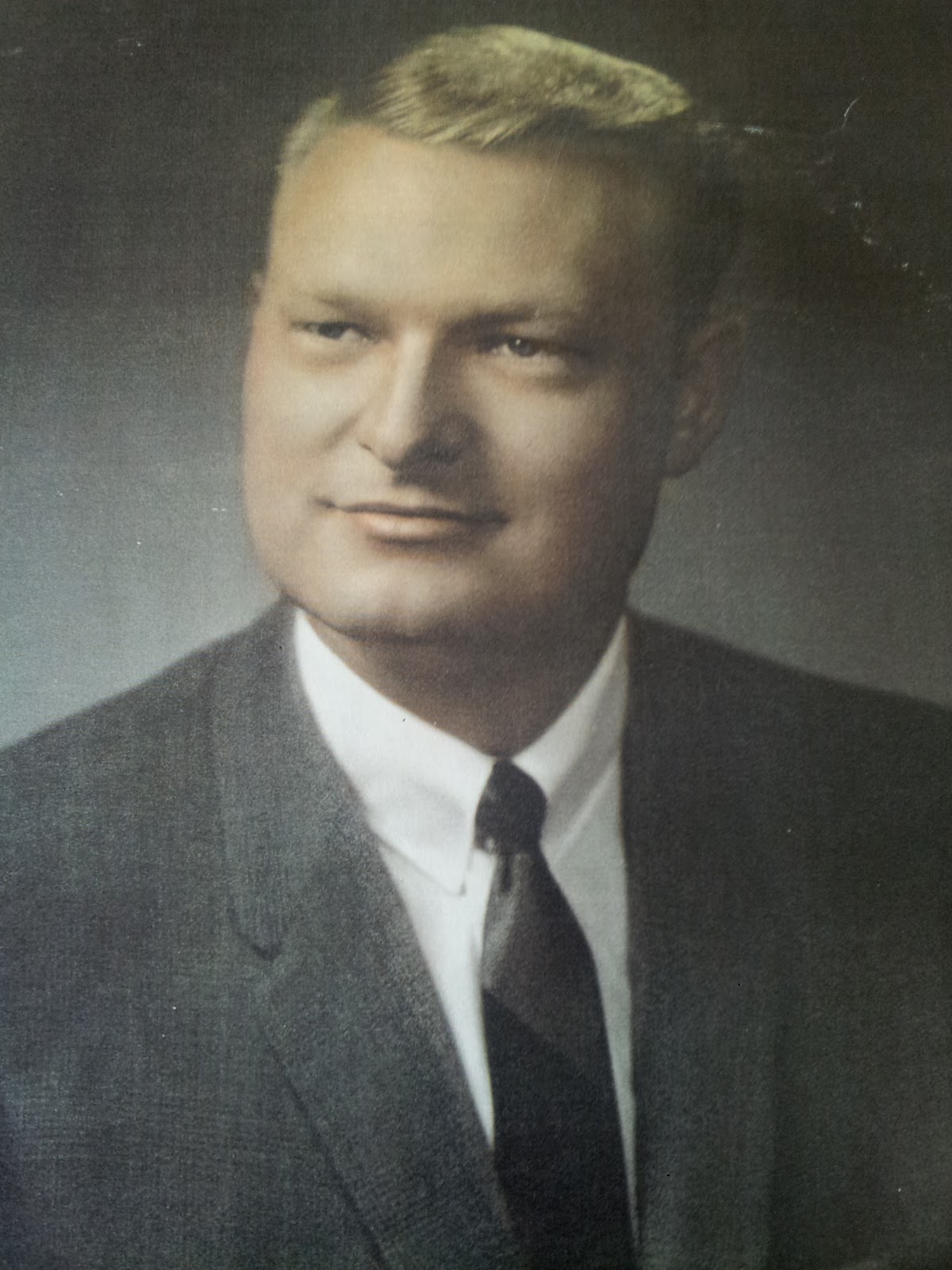
Charles G. Cluff, Jr. March,1939-August, 2000
Rebecca R. Cluff September,1939-March, 2015
Randy Toone   May, 1968-January, 2015

Sunday, June 28, 2015

Protecting Power: The Beef Stew Miracle

It was a brisk evening in the fall of 1990.  My brother Todd and I were making our way through the rural highways of southern Idaho on our way to visit our Grandma Reeder who lived on the Utah-Idaho border.  We had been given our mother's car--a red 1980 Pontiac Phoenix--to drive while attending Ricks College, and with that privilege came a few stipulations: only drive it when necessary, drive it carefully--no wrecks, no tickets--and use it to visit our widowed grandmother when our schedules would allow. This was one weekend we were going to try and fulfill all of those requests.

As we made our way down the Oxford Highway at dusk, we noticed a few deer foraging for food on the opposite side of the road. I barely had time to take my foot off of the accelerator when I heard my brother exclaim something about the “Bambi” that had just crossed in front of our vehicle.  Ignoring every piece of driving advice my father had given me throughout my teen years, I swerved slightly to miss the animal's tail end; and by doing so, the passenger-side wheel caught the gravel shoulder, and we began to slide across the pavement at speeds in excess of fifty miles per hour on the narrow two-lane highway. 

Although the entire incident was over in less than ten seconds, a menagerie of thoughts flashed through my mind as my brother and I braced ourselves for impact, our screams echoing the squealing tires on the roadway. In my periphery I could see Todd feverishly gripping the passenger door's arm rest with one hand and the console between us with the other; all the while his right foot was pushing an imaginary brake--the one Mom used so adeptly when we were all learning to drive.  He was not wearing his seat belt, and I found myself inwardly praying that my careless actions wouldn't cause the car to roll and possibly kill my younger brother who was preparing to serve a mission in the upcoming months. My parents would never forgive me. 

In spite of our speed, it seemed as though we were traveling in slow motion as we skidded 90 degrees and slid perpendicular to the road for approximately fifty yards.  It also seemed as though the power-steering wheel turned itself from one side to the other in stunt driver fashion as we did two more 180 degree skids and eventually slid down an embankment on the opposite side of the highway, the car facing north instead of south—the direction we had been traveling.

When the car came to a rest on a steep incline, a feeling of relief washed over both of us, but it only lasted a moment as it soon became apparent that any sudden movement on our part could easily cause the car to roll--we were that precariously perched on the hillside. In spite our dangerous situation, my inward prayers of pleading and gratitude immediately turned to regret, and I freaked out, pounding the steering wheel and dramatically lamenting that I had “wrecked Mom's car!" and had no idea how we were going to get it out of the ravine in which we now sat. 

"Calm down, Chris, at least we're okay," Todd said, stating the obvious. "Just don't move," he pleaded, looking out the window at the ground that was now adjacent to his seat. And just like that...like he had done so many times before when I'd found myself in unfortunate circumstances, my younger brother talked me down from a ledge (or in this case, from the steep side of a ravine), and convinced me to take action, stay level-headed, and move toward a solution. 

Calming down, I turned the key in the ignition and started the car again, carefully navigating to a flat spot in the bottom of the embankment; but it was obvious there was no way we were going to drive the car up the steep hill we had just skidded down--not without help anyway. 

Still shaking, we gathered the few bags we had packed and hiked up to the road.  By that time, darkness had enveloped the farming community around us and the roads were quiet and barren. 

I am not sure how many cars passed by us that evening, but I will forever remember the young mother in a white mini-van who answered our flailing signals of despair and pulled over to see if she could help. Still hysterical from the near-accident, I couldn't articulate what had just happened, so my brother explained to her our situation, and before long, we were squeezing into the van amid her three car-seated children. She took us to the home of a family friend who then generously (and somewhat ironically) allowed us to take their brand new Cadillac the rest of the way to our grandmother's house in Weston.  This time, Todd drove.

The next morning, my uncle Steve and Todd returned the borrowed Cadillac and went to see if they could tow my mother's car out of the ravine. When my uncle's truck pulled into the driveway--minus my brother--my heart sank, not realizing what Todd's absence meant.  As Uncle Steve parked his vehicle, he wore a look of serious concern on his face, and I made the mistake of lifting both of my hands as if to ask, "Well, where is it?" He then approached me and motioned toward the highway where I saw Todd driving our mother's car and signaling to turn into the family farm property. The car was perfectly fine, but my desire to celebrate was cut short by Steve's retort to my silent question.  “Young lady, I don't know how you managed to NOT roll that car or, at the very least, crash it into something.  Do you know how hard it was to get that thing out of there?...”  He went on to explain how difficult it had been to even locate the car because it couldn't be seen from the road. The tire marks left on the highway were the only indicators that anything had happened, and from what he could assess, Todd and I were "two of the luckiest teenagers around." He then described how the car was parked between two telephone poles and numerous large boulders—all of which could have taken our lives had we hit them. 

My heart swelled with gratitude as I began to recognize the pattern of tender mercies we had been shown.

However, the greatest mercy was revealed when we returned to Rexburg and I decided to call home and tell Mom of our experience. She listened intently after I assured her that we (and her car) were okay. Then she got very quiet and asked me to recount the story to my father who had joined us on another line. “Oh, my...” was my father's only response, but my parents' knowing silence told me there was more to what they were and were not saying. They went on to tell me the following:

The evening Todd and I had been traveling, our dad was volunteering at the church storehouse and cannery back home in Washington State.  Before starting the shift, the presiding authority thanked the group for coming and during the prayer, pronounced a blessing upon the family members of those who were serving that night, among them our father.  He promised the volunteers that their children and spouses would be safe and protected as they did the Lord's work, and they would return to their homes to find that all was well with their families. The blessing made such an impression on my father that he felt compelled to share it with Mom when he returned home from his shift. 

And now, they were both sharing the correlation with us--in spite of the fact that, generally speaking, our parents used strict caution when drawing spiritual parallels to everyday occurrences.  They had little patience for stories of people praying to find lost car keys or evoking the powers of heaven to decide which brand of laundry soap to purchase in the grocery aisle.  But this was different. Not only would they draw a correlation between the cannery prayer and our safety that evening, they would continue to share this faith-promoting story in upcoming years, often referring to it as the "Beef Stew Miracle" because that is what Dad had been canning the night the blessing was pronounced.

 As a benefactor of that blessing nearly seven hundred miles away from home, I was (and still am) eternally grateful for both my father and the gentleman who pronounced that blessing upon the volunteers at the cannery that evening. I have a testimony of priesthood power and its far-reaching effects and the manner in which it blesses the lives of both the priesthood holders and those they love and watch over.  Additionally, I know my parents share that belief or they would not have recognized--then deliberately pointed out--the correlation between the prayer, the service, the "almost accident," and the good Samaritans who came to our rescue. I suppose, they could've just as easily chalked up our near misses with the deer, the telephone polls and the boulders to luck or fate.  But they knew better; they were people of faith.

Now, some twenty-five years later, whenever I hear of miraculous “almost accidents,”or good Samaritans stopping to help strangers, or brothers keeping sisters focused, or friends lending vehicles, or family members taking time out of their busy schedules to pull someone out of a difficult situation, or church members simply volunteering to fulfill a cannery assignment, I cannot help but reflect on that beautiful autumn day back in 1990—a day when my brother and I weren't just lucky, we were blessed by a miracle.


Friday, June 26, 2015

Loss of Innocence

--Written August 7, 2006

It has been almost a year since Marv told Kyle about the Easter Bunny and Santa Claus. The disclosure came as a shock to me. I wasn't ready. And although I trusted my husband’s judgment (mostly), I cried.  Immediately following the revelation, our oldest seemed to transform from a boy full of wonder into a young man who skeptically analyzed every tradition or game he encountered, a ten-year-old cynic.  Overnight, life had become a magic trick, and he was going to figure out the secret, expose the lie.  I will admit that this phase annoyed me to some degree because I no longer enjoyed the “Mom knows all” status that I once (thought I) had.  However, like all phases, his intense questioning of things faded and I was almost relieved when a few months later he was bewildered by the fact that the Tooth Fairy had forgotten him.  There were no looks of accusation.  There were no sly you forgot, huh, Mom? grins directed at me.  Certainly he had made the connection; but then again, maybe he hadn’t.  For a moment, my boy wonder had returned.

It was January of this year when Marv and I took our first (and last) cruise to the Caribbean.    I had spent countless hours figuring out details: packing just the right items, getting birth certificates so we could leave the country, and making arrangements for the kids to stay with grandparents and friends.  We even had a Last Will and Testament notarized.  I thought I had everything covered until a few days before we left, it occurred to me that we hadn’t made arrangements for someone to take care of Hondo, the kids’ dog.  I immediately thought of Kyle’s friend, Michael, but when I mentioned it to Marv, he insisted that we take the dog to his Dad’s.  It would be less hassle, and I don’t think Marv wanted to rely on an eleven-year-old to remember to feed and water a dog in the middle of January.  Besides, it would give Lolly something to do.  And it did.  He sectioned off a warm, cozy place in the barn and assured an anxious Kyle that there was no way he could get out.

Needless to say, I was devastated a few days later when we called from Houston and Lane told me that Hondo had, indeed, gotten out, and Kyle, along with Uncle Rod, had gone out looking for him without success.  My mind raced.  Maybe he went home, maybe he was out on the farm somewhere, maybe...My mother-in-law hesitantly answered my request to talk to her. I was trying to be positive, suggesting all of the possible scenarios of the dog's whereabouts and likely return, but each one was met with a, “That’s not going to happen.”   Thinking it strange that such negative responses were coming from the most optimistic person I knew, I kept on suggesting possible scenarios regarding the dog's disappearance.  It wasn’t until I threw out possibility number three or four and was met with rejection that it finally occurred to me to ask, “Do you know where he is? ...  Is he dead?”  I was sick when she confirmed what should have been the obvious.  I could hear pleading in her voice as she defended Lolly’s “set up” out in the barn. “There is no way that dog should have gotten out...We both are shocked...A female must have come along ...”(sure, blame it on a female I seethed).  “We just can’t figure...”I quickly ended the conversation with my unapologetic mother-in-law and announced to my husband, “Your dog is dead.”  Being a little quicker on the uptake, Marv said he had gathered as much from overhearing just one side of my phone conversation with his mother.

Baffled by his family’s seeming lack of emotion and matter-of-fact way of handling what I saw as a tragedy, I did what any frustrated wife would do.  I called my mom.  She was appropriately sympathetic, felt bad for the kids, and shared a story about a beloved dog she had.  I also called my sister Janice and my brother Todd, both of whom shared my pain in a way I appreciated.  Feeling slightly better, we sailed away into the ocean, very aware of what awaited our return.

Throughout the week, Marv and I shared our sad Hondo story with fellow cruisers and many beloved pet stories were shared in return.  We were advised by several people to just let our kids think that Hondo had run away, but Marv would not hear of it, especially since my family knew of the dog’s fate.  Ugh! Why had I opened my big mouth?  Why did I have to tell my family? Oh yeah, because I was looking for the “appropriate measure of sympathy."  Sympathy that I needed from my family, but didn't want to have to offer to my children.  I didn't want them to know. I didn't want them to need sympathy. I didn't want them to hurt.

I begged Marv not to tell the kids and swore my family could keep a secret (knowing that wasn't entirely true), but as with the Easter Bunny and Santa Claus delusions, he thought the truth was our only responsible option.  I let it go at that and hoped he would change his mind before returning home.

After gathering the kids from their various destinations, and hearing all about their week (including that Hondo had run away the first night we were gone), I thought the coast was clear.  Marv hadn’t said a thing, and I was thrilled.  I thought maybe he'd had a change of heart and was going to let the “Hondo ran away” theory live on forever.

I thought wrong.

I will never forget the following Sunday afternoon.  I was on the phone with my friend Angela, telling her all about our first (and did I mention that it would be our last?) cruise when it happened.  Kyle walked into the living room with sunken shoulders and a look of excruciating pain on his face.  I practically hung up on an understanding friend and listened as a crushed little boy kept repeating through broken sobs, “Hondo’s dead, Mom.”  He had accepted his own runaway theory and had pictured his little buddy freely roaming on someone’s farm, or riding in a truck, keeping a nice older gentleman company.  But death?  It was unfathomable to his young, innocent heart.

Even after Marv had quietly related Hondo’s tragic end to Kyle, he was still full of questions and doubt.  Maybe it wasn’t Hondo who had been hit on Utah Avenue.  It was some other dog who just looked like him.  Payson Animal Control must have been mistaken.  They had the wrong dog!  Uncle Rod had talked to the Animal Control Officer the morning during our search.  If he had seen Hondo in the back of the A.C. truck, dead, why did we keep looking for him after that? My answer to his confusion was simply that, “Uncle Rod wanted to protect you, so when he saw Hondo’s body in the back of the Animal Control vehicle, he pretended he hadn’t seen it because he didn’t want you to know.  He didn’t want you to hurt, so that is why he said, 'Let's keep lookin' when he came back to you in the truck. ” As Kyle processed what his uncle had done for him, I wished we had followed Rod's lead and gone with the less painful option—even if it meant withholding the truth.

There have been many tears shed over Hondo, and I am sure there are more to come.  One thing I still grapple with is whether or not it would have been better to let our children believe that their dog had just run away.  I know, as a parent, it would have been the easier path to take, but I trust that Marv knows something of childhood-pet relationships and the lessons learned from their loss. 

In the end, it is my hope that Kyle will trust us, knowing we will tell him the truth--no matter how confusing, no matter how difficult, no matter how painful.  I figure we all have to learn at some point that with confusion comes understanding.  With difficulty comes growth. With pain, an opportunity to be comforted and feel peace.  It is my prayer that our children will learn and accept these universal truths.  But in the meantime, I selfishly hope our boy of wonder will return.

Ugly Doll--8th Birthday Memories

It was my eighth birthday and aside from looking forward to my upcoming baptism, like most kids I was focused on the most important part of the evening: presents! Unfortunately, I had to wait for Janice to come home from work before the ceremonious unwrapping could begin. At this point in my life I had experienced only one “friend” birthday party and knew I wouldn’t have another “friend” party until I turned twelve. Mom wasn’t all about noisy random kids in her house.  It stressed her out...so tonight, it would just be family--all seven of us.


On this particular evening, I remember Mom was anything but stressed.  In fact, she was uncommonly carefree and giddy--to the point of giggling...a lot.  I remember thinking her silliness was strange, but it wasn’t until my sister finally made it home and it was time to open presents that my Mom’s behavior began to make me nervous.  The feeling was akin to the feeling you get upon realizing that someone is whispering about you. . .or that your fly is down. . .or both. But it didn’t end there. As I proceeded to open the gifts from my siblings, my mother sat in the corner--smirking and casting knowing glances at my father.  Then, when all of the presents were seemingly gone, Mom dismissed herself then reemerged from the other room carrying the last gift, the grand finale, the piece de resistance.  Holding back her laughter, she handed me a nicely wrapped box and explained that its contents included something she had ordered by mail but it wasn’t exactly what she had expected.  “You can say that again,” my dad added, sending mom into uncontrollable fits of laughter, regaining her composure only long enough to assure me that we would go shopping for something better in the upcoming days.


Great. An embarrassing gift, I thought to myself as I hesitantly peeled back the pastel paper. Removal of the box’s lid revealed a mass of packing peanuts and...a doll?  A look of confusion washed over my face which was apparently mistaken by my parents as a look of disgust--and that really set them off.  They both broke into what can only be described as a full-on Bert and Ernie laugh jam.


“I don’t get it,” I said, “What’s so funny?”  At this, Mom sensed my confusion (not about the doll but rather why my parents were laughing about it) so she explained.  

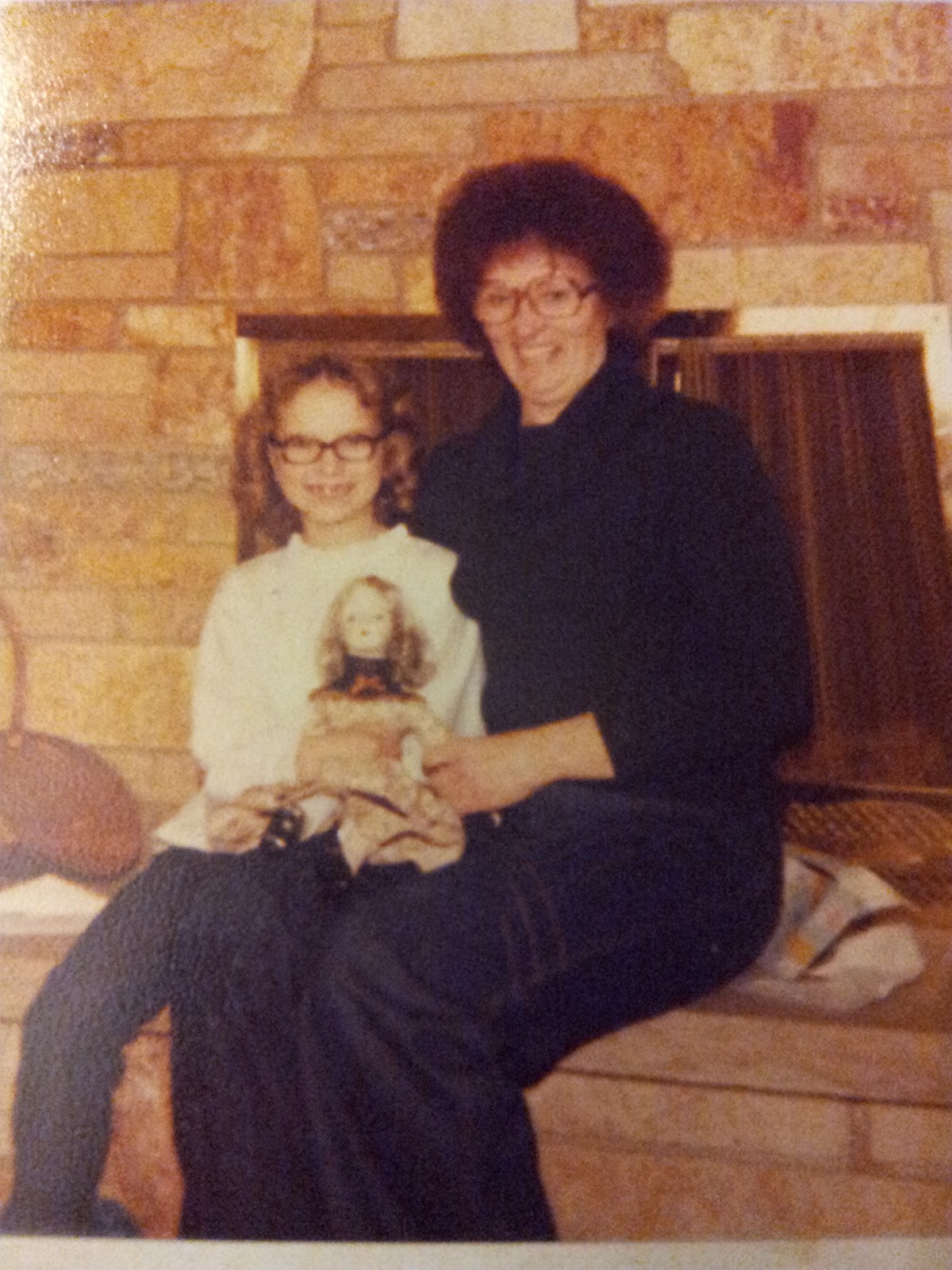
“Oh, honey, I thought I was ordering you the most beautiful dolly.  In the catalog she had pretty blonde hair, a hand-painted face, and her hat and dress were...well, detailed and well-made.” She went on to share how she had opened the box just as I had, only to find that the doll inside was not at all what she expected, especially when she considered how much she had paid for it. But, rather than be upset about it, Mom thought the doll was ugly enough to be considered comical, and  it soon turned into a family joke--a joke that lives on some thirty-six years later. I suppose, for posterity’s sake,  my Dad sat us all down that evening for a picture: me, Mom, and my new dolly that never officially received a name (other than Ugly). 

However, instead of the requisite “Say Cheese” Dad usually solicited before snapping a photo, he instead said, “Okay, on the count of three, everyone say “Rip off!”  This time, I laughed too.

8th birthday gift.jpg

Thursday, June 25, 2015

If Ya Got It, Flaunt It!


“If ya got it, flaunt it.” For younger generations this saying might elicit the image of a scantily-clad Victoria’s Secret model strutting down a runway--the perfect balance of tone and jiggle--but to my mother, this phrase meant something entirely different. To her, “flaunting” wasn’t about running around half naked, nor was it about wearing the pout of a provocative porn star. It was about dressing with class and confidence.


As a teenager (and seamstress) growing up during the fifties, she knew something about fit and fashion--two terms that now carry entirely different connotations than they did back when she was learning to dress. Today’s mantra “If it zips, it fits” didn’t fly with Mom. Clothes were meant to hang nicely, complementing the silhouette of a woman’s body. Even fitted pieces weren’t meant to pucker or cling; if they did...They. Did. Not. Fit. On the opposite end of the spectrum, clothes that were too baggy and held no shape--like everything my friends and I wore in the eighties--didn’t fit either! Both fashion trends drove Mom crazy over the years and led me to believe that in her estimation, tight equaled tacky and baggy equaled ridiculous.


Regardless of body shape or size, clothes were meant to fit and cover appropriately before they could be deemed fashionable.


This, however, is where Mom’s fashion philosophy begins to breakdown in today’s politically correct society because she was a firm believer that not all body shapes and sizes were created equally. If you were skinny and never developed beyond a B cup, you could get away with wearing tighter, more form-fitting knits and spandex without rating as high on the tacky-o-meter as someone who wasn’t a direct ancestor of Twiggy. For those of us who fit into this “heftier” category (Mom’s word, not mine), forgiving fabrics such as sturdy cottons, velvets, and polyester blends are more flattering choices as they tend to smooth out any bulges that can occur when something zips, but doesn’t necessarily fit.


Fashion is definitely a word Mom wrestled with over the years. She would argue that many today equate the word fashion with the phrase in style. And let’s face it, “just because something is in style, doesn’t mean everyone should be wearing it.” In fact, there are some fashion trends that regardless of how often they come around and no matter how many body types try to wear them, “they just don’t work for most women.” The number one offender? The strapless dress. Mom often accompanied Dad on his wedding photo shoots and was always baffled by the bigger-than-B-cup- bride who chose a dress that made her look like a tube of sausage being squeezed from its casing--cleavage first. According to Mom, boobs (especially big ones) were meant to be covered completely, like all other fat on the body. I can hear her now…


“Unlike a pair of nicely toned legs or a flat, tanned tummy, boobs and cleavage, aren’t meant to be flaunted. With assets come responsibilities. Cover up for heaven’s sake, and if you are small-chested enough to pull off the strapless gown, make sure it is fitted well enough so you don’t have to be reaching underneath your armpits and hoisting it up every two minutes. The only thing tackier than a bride’s boobs greeting you in the receiving line, is a bride who has to pull her thumbs out of her armpits to shake your hand. I just don’t get girls these days. Don’t they have mirrors... or honest friends?”


Inevitably, when the topic of fashion arose in our family, another word Mom hated would emerge in the conversation: modesty. The Church offers some pretty clear-cut guidelines regarding dress standards for both men and women; however, to Mom, they were just that--guidelines. And once again, this is where Mom’s definition “didn’t exactly jive” with the cultural norms that surrounded her in life. Political correctness was also missing from her modesty philosophy because she had a different standard for the young, athletic types than she did for those who “couldn’t leave the Twinkies alone.”


If you had long lean legs like all of her granddaughters, shorts could hit mid-thigh without raising eyebrows. If you were small-chested and had flab-free arms (again, like all of her granddaughters) wearing a halter top or sleeveless shirt was fine as long as bra straps were hidden and armholes were not gaping, offering others a peek into the side panels of your bra. Being mindful of what others could and could not see when you sat, bent, or maneuvered, in addition to the way you carried yourself while wearing said clothing, was more important to Mom than any regulated length or style. That said, regardless of hemlines or necklines, a woman could easily go from being modest to immodest, simply by the way she walked, talked, bent, or sat in any piece of clothing. To Mom, modesty was every bit as much about attitude as it was about sleeve styles and skirt lengths. It was more about avoiding the tacky factor--by acting appropriately and wearing well-fitted, flattering clothes--than it was about following a list of carefully measured guidelines.


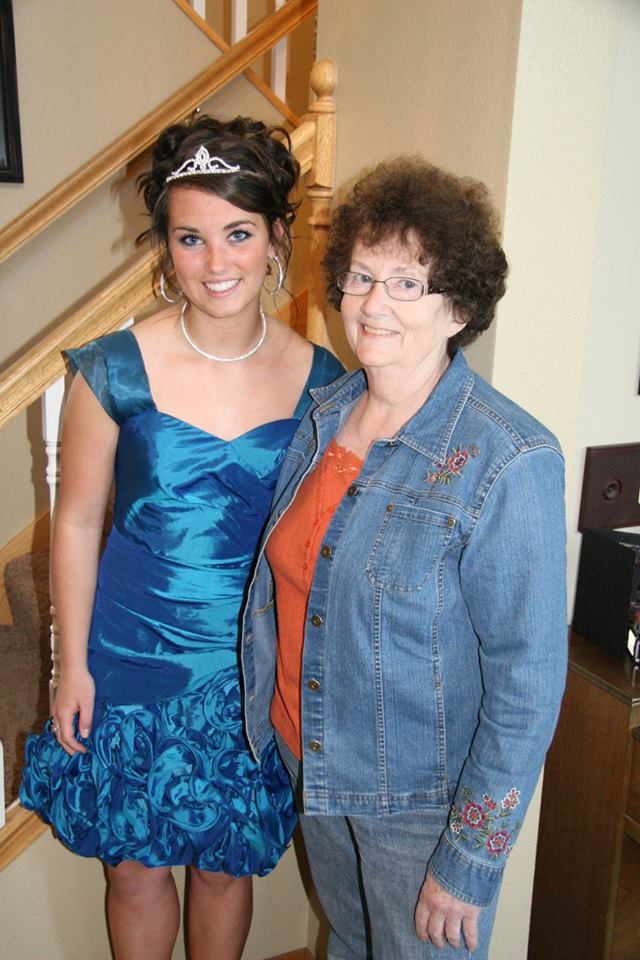
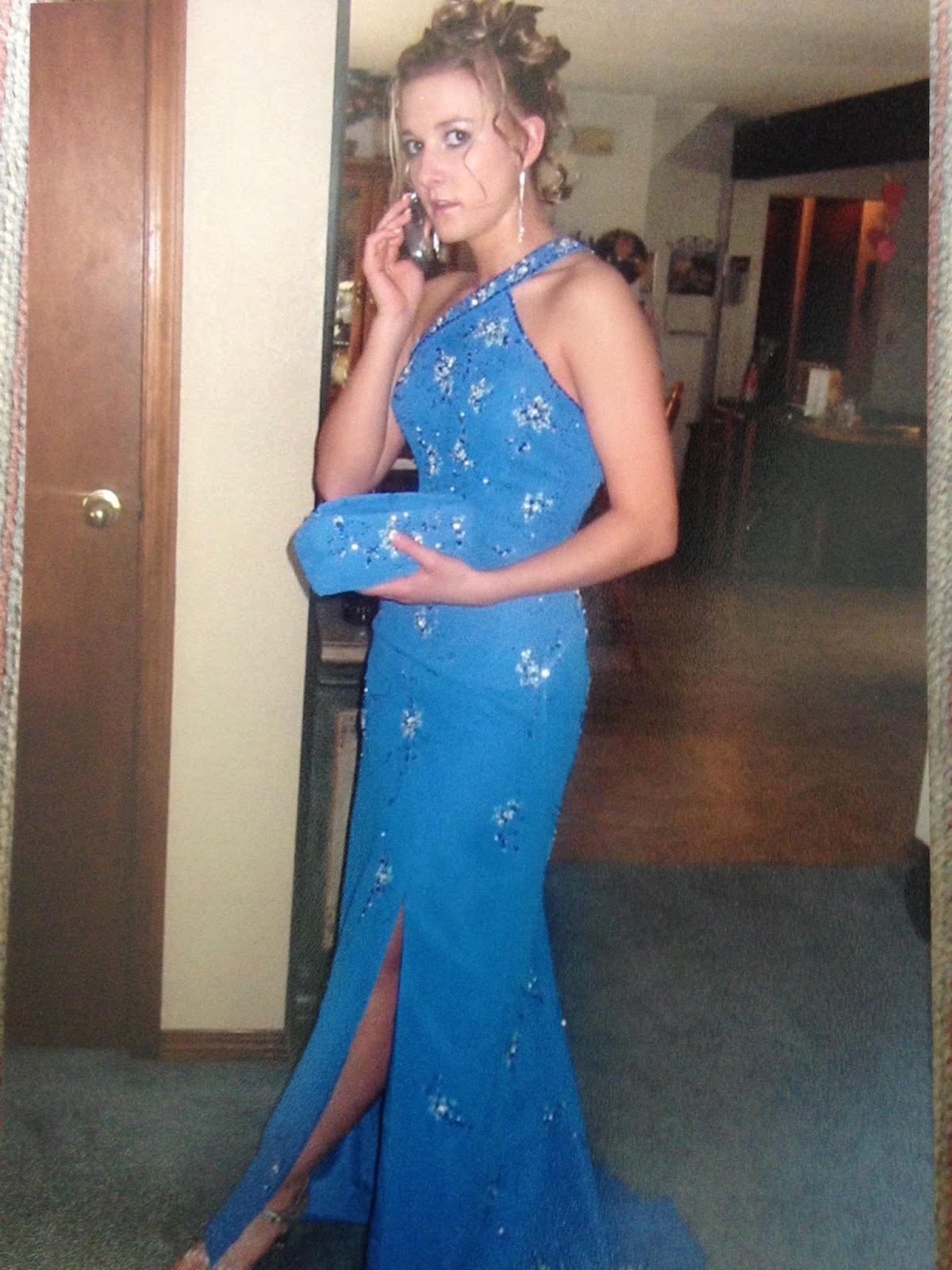
I suppose that is why Mom would give Mikele a hard time about her seasonal requests to sew cap sleeves onto her formal dance dresses when she was in high school. Like any good seamstress, Mom was concerned about the integrity of the dress’s style more so than her “good-girl” granddaughter’s moral compass. After all, she knew Mikele and figured that putting sleeves on a dress “wasn’t going to make her any more virtuous than she already was.” Nor did she feel that the lack of sleeveage (my word, not Mom’s) would result in reckless abandon of all moral principle--putting her granddaughter at risk. Mom also felt that Mikele’s already well-covered cleavage and upper thigh region was far more important than the two inches of shoulder she’d been asked to hide with a few pieces of coordinating fabric; and she wasn’t shy about letting others know how silly she thought it was that she had been asked to “ruin another beautiful dress...”


But, in spite of her convictions and opinions, an adoring grandmother repeatedly honored the requests of her second granddaughter in an effort to show her just how much she was loved. And regardless of whether or not her other granddaughters followed the same strict guidelines in their formal dance dress choices, Mom always stated with complete conviction that they were all “without a doubt, the most beautiful--and fashionable--girls at the dance.” Provided they smiled their best schoolgirl smile and walked with all the confidence of a Victoria’s Secret model--minus the fleshy boob jiggle, of course.


Sleeves By Reb...


 Not “Regulation,” But Grandmother-Approved


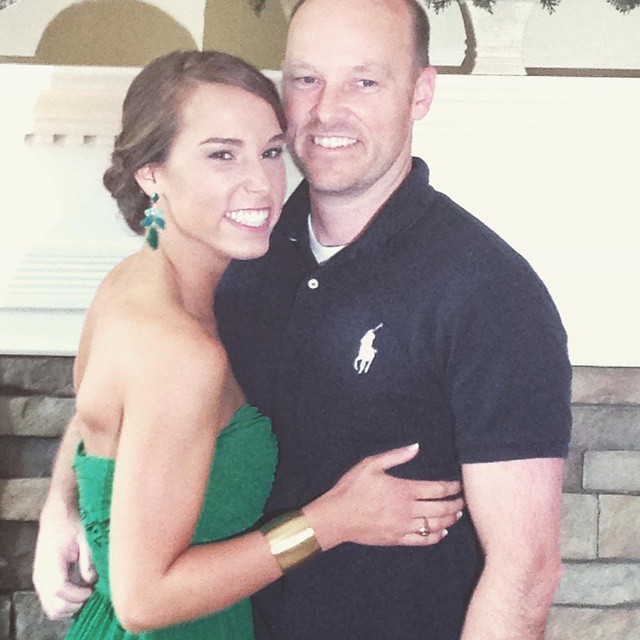
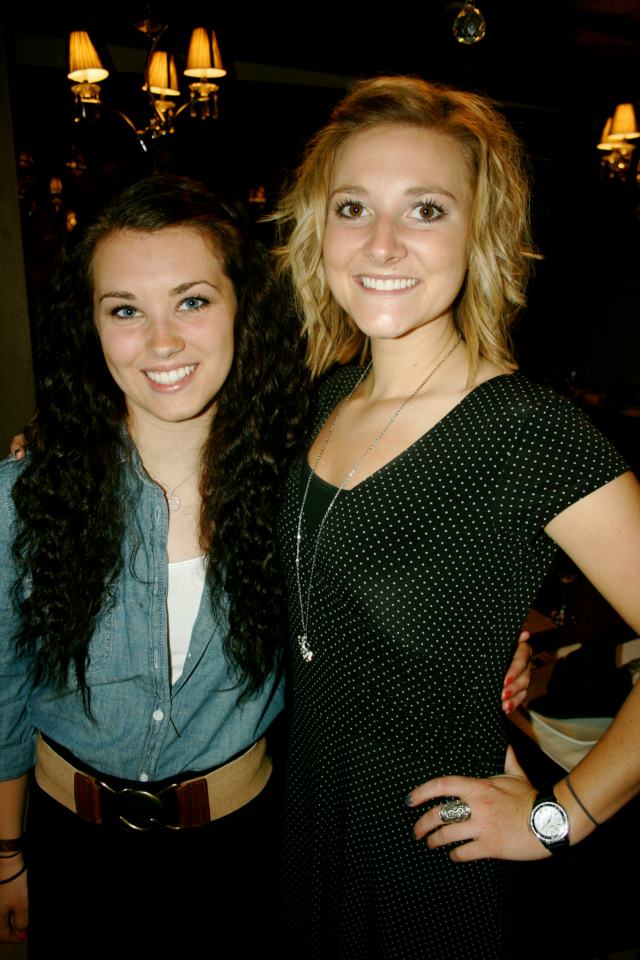
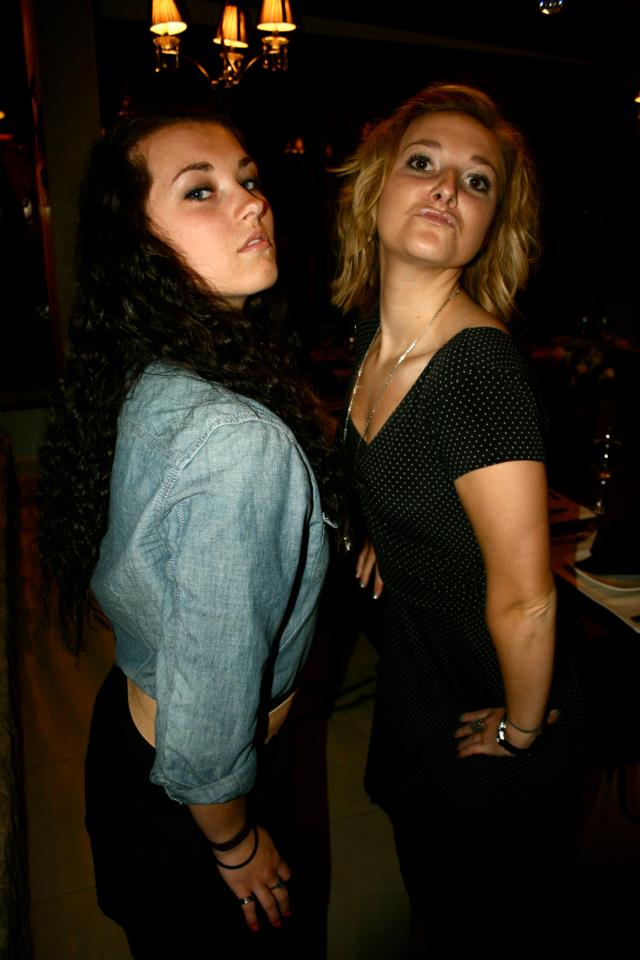
Schoolgirl Smile vs. The Sexy Pout.  
See the Difference?


school girl smiles.jpg
niece attitude.jpg

Sunday, April 6, 2014

The First to Go

The first thing to go was his dependence.
“No, Mom, I’ve packed my own lunch.  Don’t worry about it.
   All of my work is turned in, my externship secured.
      Graduation is at six on the twenty-fourth. 
          Do you think Grandma and Grandpa will make it?
It’s okay if they don’t.  I understand.”

Then there were fewer hugs which were
unceremoniously replaced 
by a forty-hour work week,
   a tidied room,
      clothes in the hamper,
    and gas in the car.
--all none of my doing.

It slipped away quietly, almost over night--
an Adult World kidnapping that left no ransom note,
no explanation.
Just emptiness in a mother’s heart--
a heart that once
     Begged for cleanliness,
     Nagged about deadlines, and
     Longed for independence--his
      independence, not mine.

Now, in silence I sit
     alone in a clean room--holding the bear that
    once calmed childhood fears and eased teenage angst--
   praying for the power that will soothe
      a mother’s aching heart
         and fill her hungry arms
        until his hugs return--home.